You Are Not Alone
Living with a primary immunodeficiency can be challenging, not just physically, but emotionally and socially too. We are here to support patients and families at every stage, from first suspecting something is wrong, through diagnosis, and into long-term management.
Practical Tips for Daily Life
- Chronic illness can affect mental health, anxiety and depression are common alongside long-term conditions.
- Don’t hesitate to speak to your GP or care team about how you’re feeling.
- Connecting with others who understand what you’re going through can be invaluable – see our Support & Community section for more.
- IPIA is exploring the possibility of developing a Mental Health Support Service for the PID community in Ireland. Sign up to our mailing list or follow us on social media to stay updated.
- Practising good hand hygiene is one of the most effective ways to reduce infection risk.
- Avoid close contact with people who have active infections where possible.
- Discuss vaccination with your immunologist — many vaccines are safe, but live vaccines may not be suitable for all PID patients.
- Inform healthcare providers (including dentists) about your PID before any procedure.
- Keep a record of your infections, symptoms, and treatments to bring to appointments.
- Make sure your specialist, GP, and any out-of-hours services all have up-to-date information about your condition.
- Ask your immunologist about an emergency care plan or immunodeficiency alert card to carry in case of urgent hospitalisation.
- Know the signs of serious infection that require immediate medical attention — these include high fever, difficulty breathing, rapid deterioration, or any symptoms that feel unusual or severe for you. When in doubt, seek medical attention promptly.
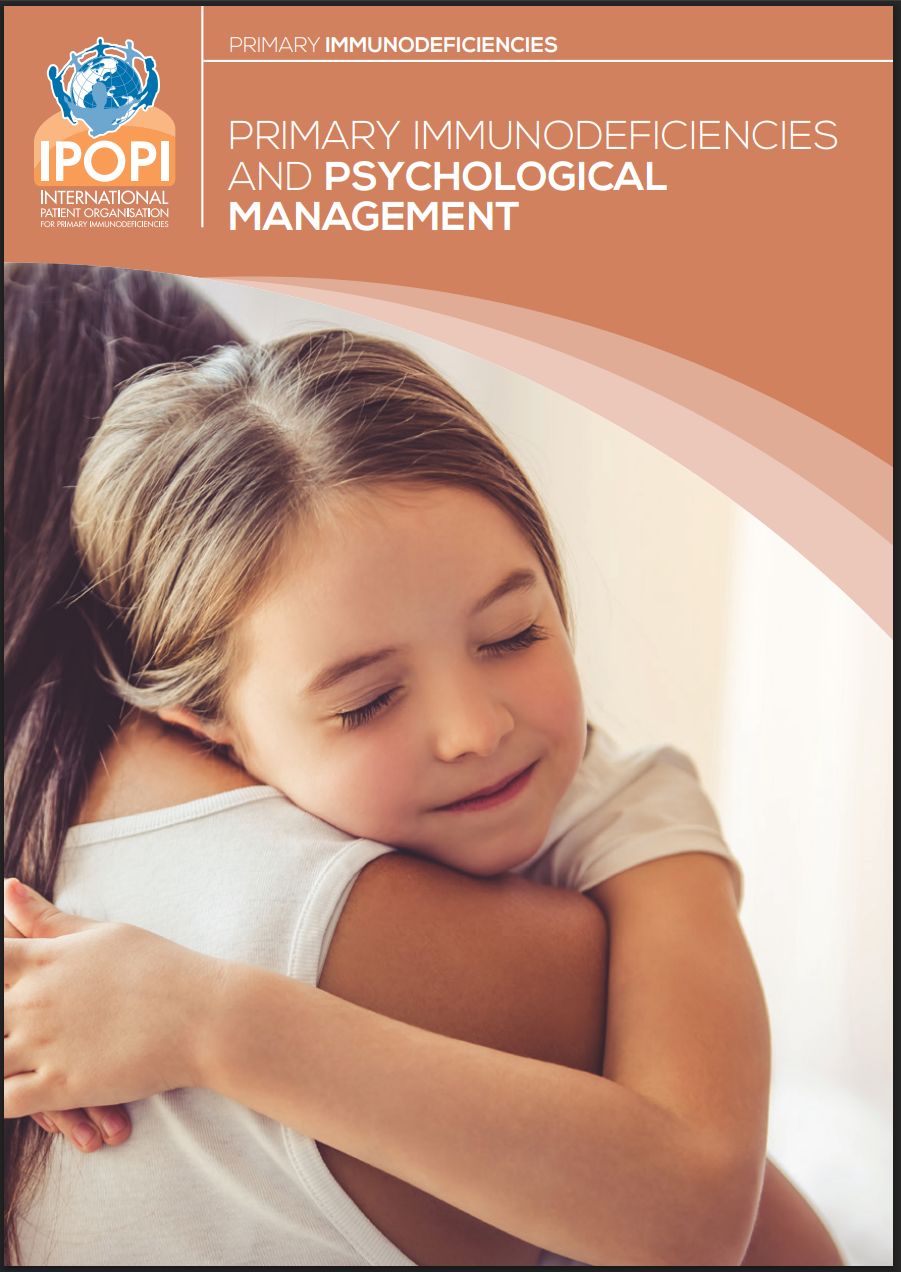
Click the leaflet below for more information from IPOPI:
Travelling with a PID
There is nothing to stop anyone with a PID going on holiday — but planning ahead makes a big difference. Here are the key things to consider:
- At least 12 weeks before you travel, speak to your immunology team for advice about your destination, vaccinations, medications and emergency treatment. They may also suggest rescheduling any infusions
- Ask your doctor for a letter explaining your condition, all medications you are carrying, and any medical equipment needed for immunoglobulin therapy — this is essential for airport security and in case of medical problems abroad. Consider having it translated into the language of your destination.
- Carry all medications in your hand luggage in original packaging with prescription labels visible.
- Take enough medication for your trip plus extra in case of delays.
- Take a copy of your prescription in case medication is lost or you need hospital treatment abroad.
- Note that some medications (including certain painkillers and medicines containing hormones) are classified as controlled medicines — a personal licence may be required to take these abroad. Apply at least 10 working days before travel. Visit hse.ie for Irish guidance.
- Apply for a European Health Insurance Card (EHIC) Irish residents are entitled to one and it covers emergency medical care in EU/EEA countries at reduced or no cost.
- Never travel without appropriate travel insurance and always declare your PID as a pre-existing condition.
- Keep your insurance policy and emergency helpline number with you at all times.
- Establish where the nearest main hospital is to where you are staying
- Keep the contact details of your consultant and nursing team at home with you
- Check for any specific health risks at your destination
- Pack a small first aid kit including antiseptic cream, wipes, water sterilisation tablets and plasters.
- Drink bottled water abroad — tap water can cause illness due to bacteria and different mineral content
- Be cautious with buffets, raw shellfish, unpeeled fruit and vegetables, ice cream and ice cubes
- Avoid swimming in polluted seas or lakes which can cause respiratory, ear and throat infections
- Ask how frequently swimming pools are tested and cleaned
For Children and Young People
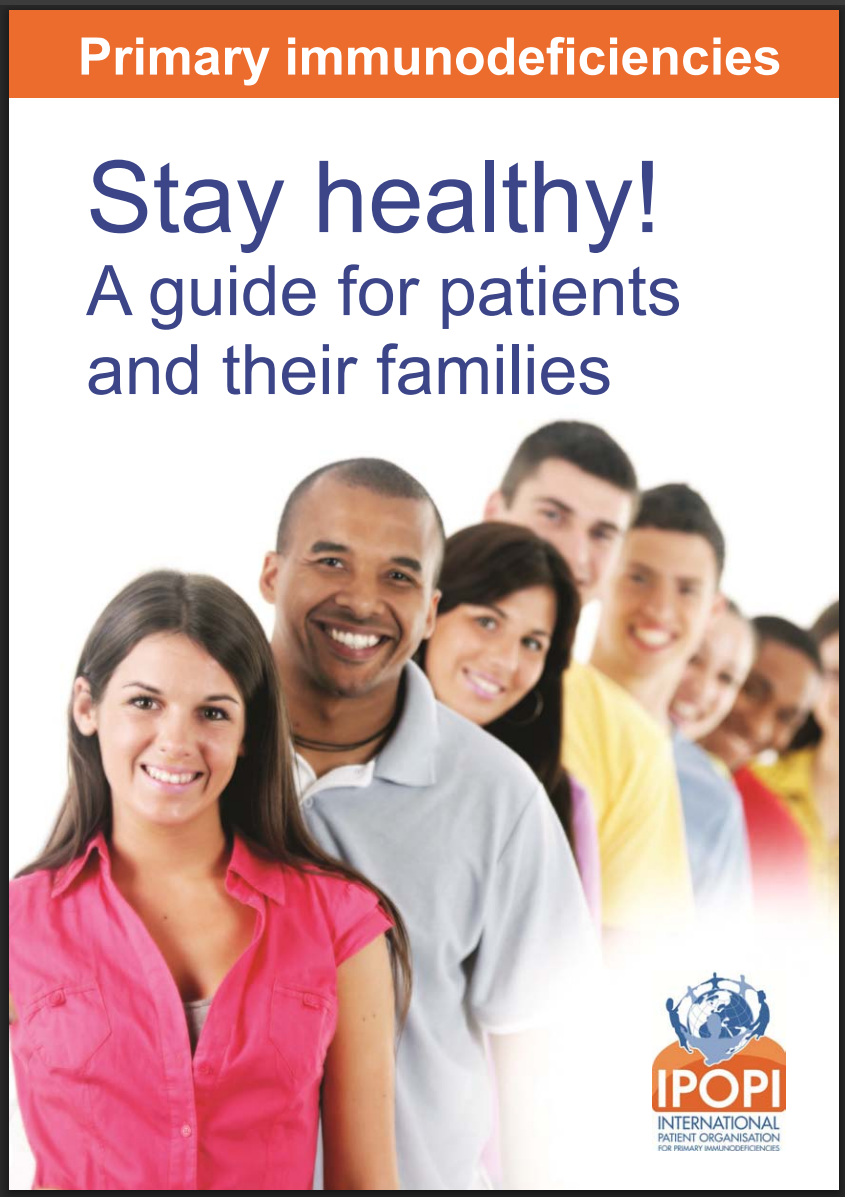
A PID diagnosis in a child brings its own set of challenges for the whole family. Helping your child understand their condition in an age-appropriate way, staying in contact with the school, and planning for hospital stays can all make a significant difference. The following IPOPI leaflet provides further guidance for families:
For Adults
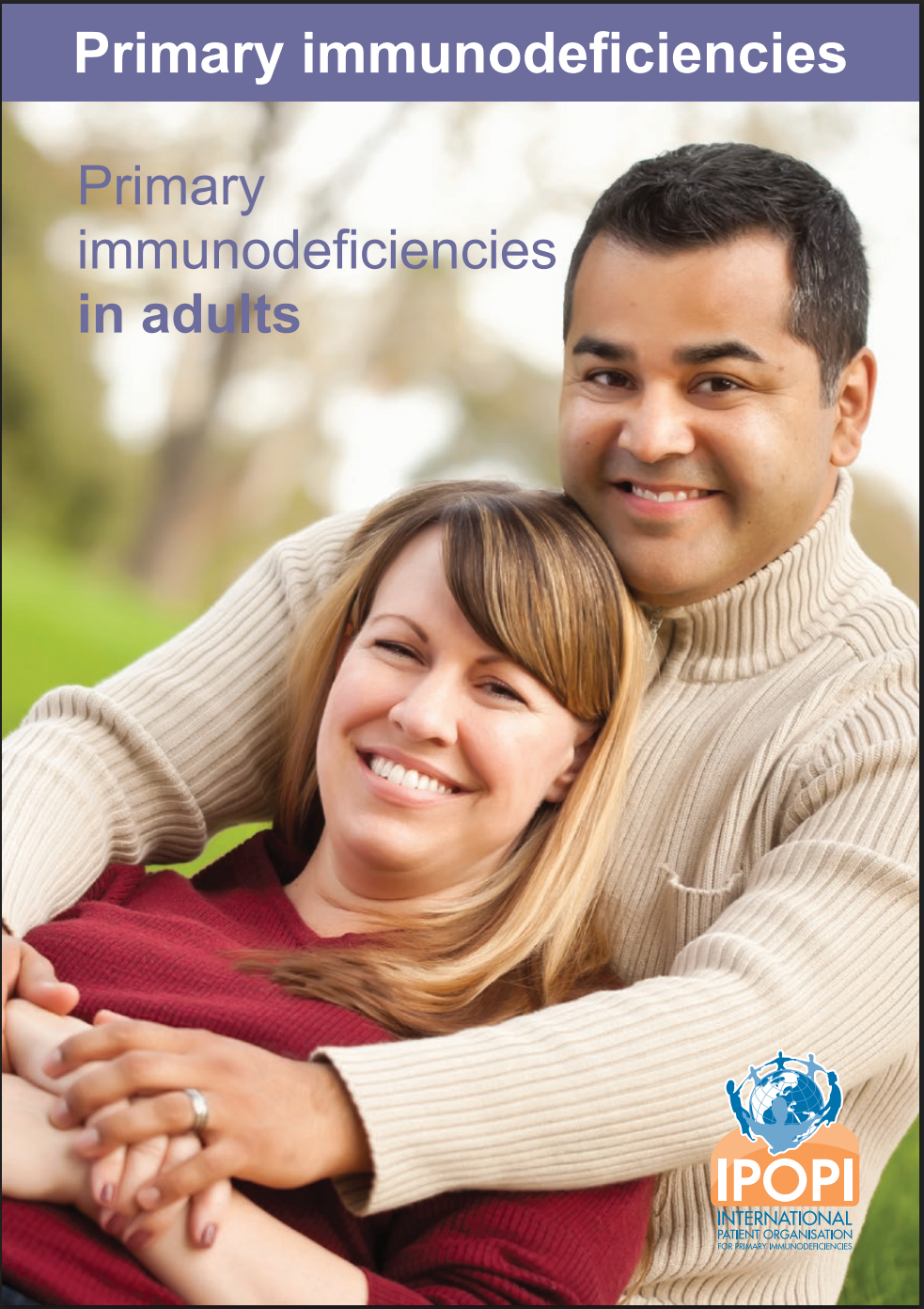
Adults with PID may face particular challenges in the workplace, in family life, and in accessing appropriate specialist care. Knowing your rights and having the right information can help you advocate for yourself within the healthcare system. Visit our Advocacy & Your Rights page for more information. The following IPOPI leaflet provides further guidance for adults:
Benefits & Financial Support
Depending on your circumstances, you may be entitled to social welfare supports, disability allowances, or other financial assistance. IPIA can help point you in the right direction.
Get in Touch with IPIA
Whether you are newly diagnosed, supporting a family member, or have been living with PID for years – we would love to hear from you. We can connect you with others in the Irish PID community and help you access the support you need.
- Contact us via our Contact page.
- Email us directly at info@ipiainfo.org
- Register with IPIA to become part of the Irish PID community.